Stanford University · Computer Science
Piper
Fleming.
I build things at the intersection of technology, finance, and AI- from fintech intelligence tools to research on how language models shape human identity.
About me
Builder. Athlete.
Curious person.
Hi, I'm Piper! I'm a senior at Stanford studying computer science, and I'll be returning in the fall to pursue my master's in AI. Most of my work revolves around one core question: how do we make AI actually work for humans?
I'm especially interested in the messy space between capability and usability- where strong models meet real-world constraints, product decisions, and human behavior.
I've explored this from several angles: in big tech, working in Product at Oracle, in the classroom, TAing and designing a new course at the Stanford Graduate School of Business focused on applied AI systems, and this summer, building and evaluating AI tooling at Core VC.
Across these experiences, I've found that the most interesting problems aren't just technical- they're about judgment, communication, and designing systems people actually trust and use.
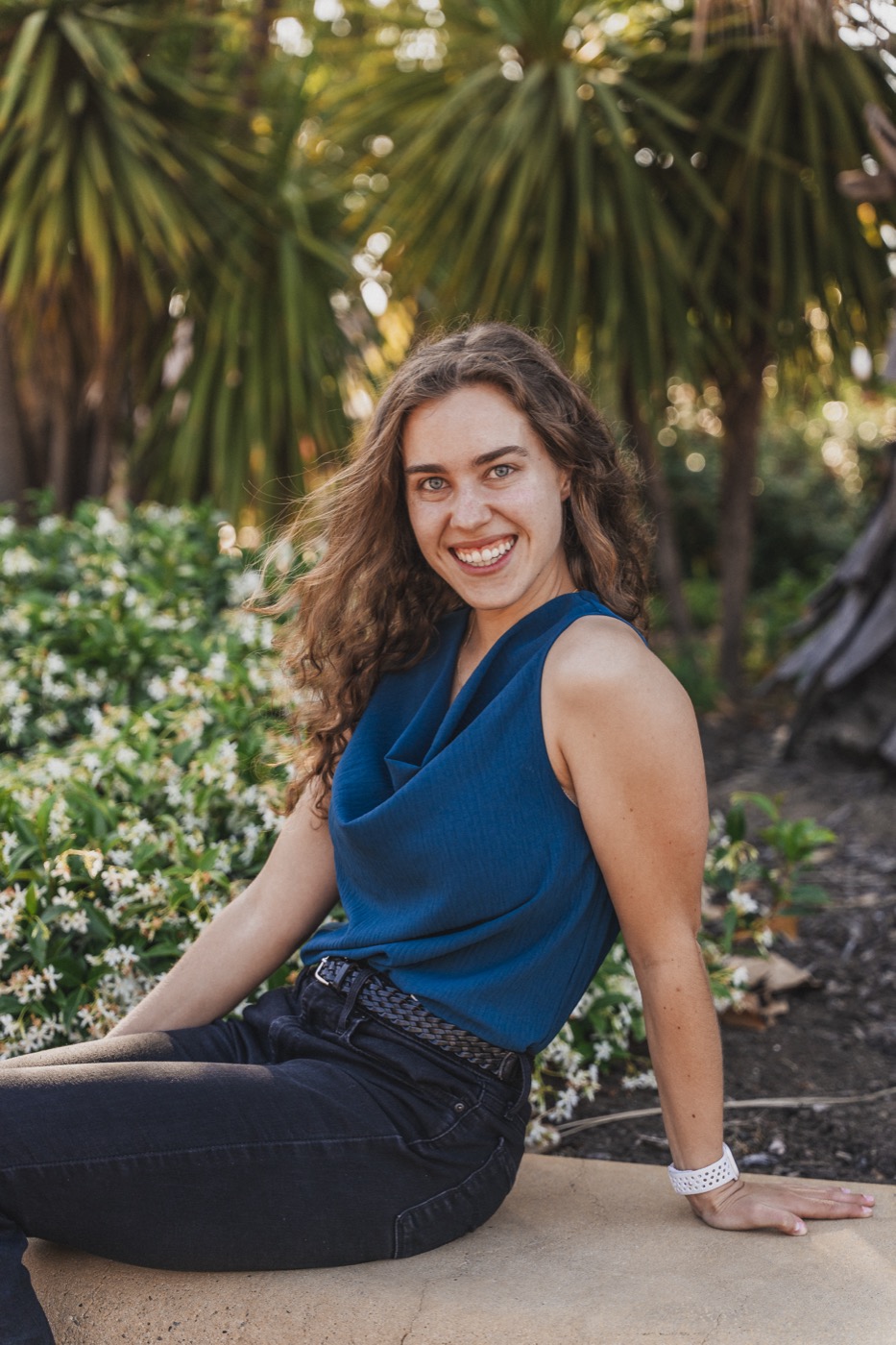
Outside of work
I'm an avid athlete and dancer, and I've won a silver medal on the collegiate national stage with my ultimate frisbee team. On Saturday mornings, you can usually find me riding up and racing down the Santa Cruz mountains, drinking large milkshakes, getting bike grease all over me, and eating pastries (in that order).
The celebrity I relate most closely to is The Grinch, who I best like to channel by hiding in my room, reading novels at a supernaturally fast pace, and stealing Christmas- though the only thing I reliably ‘steal’ is control of the snack menu. At my core, I'm energized by being both an athlete and a builder- thriving on momentum, challenge, and the people I get to grow alongside.
Work & Projects
What I've built,
taught, and explored.
Teaching
BUSGEN 116: FREE SYSTEMS — Preserving Liberty in an Algorithmic Era
Served as Technical TA for a Stanford GSB/Pathfinder course exploring how AI is remaking how societies inform themselves, make decisions, and govern. Students built AI agents, stress-tested them for political bias, traded on live prediction markets, and ran governance simulations — each equipped with a Claude Code subscription and funded API key. Taught by Professor Andy Hall; ran weekly debugging drop-ins and supported students through vibe-coding prototypes on democracy, news bias, and decentralized rule-making.
Things I built
Week 2
Prediction Markets Leaderboard
A live forecasting leaderboard where students trade predictions on real-world contracts, scored in real time with Brier scoring. Each submission surfaces the AI agent's reasoning chain, making the logic behind every prediction visible to the class.
Week 4
AI Alignment Exercise
An AI Proxy Chamber where students' personalized AI agents vote on real corporate shareholder resolutions — like whether Chevron should abandon its net-zero 2050 target. The chamber visualizes aligned vs. misaligned votes across the class, revealing how AI represents political and financial interests.
Week 5
Agentic Legislature
An Agentic Legislature where 28 student AI representatives connect simultaneously and vote on bills in real time. Each agent carries its owner's political constitution into a simulated congress — the class watched their AI legislators deliberate and disagree.
Week 8
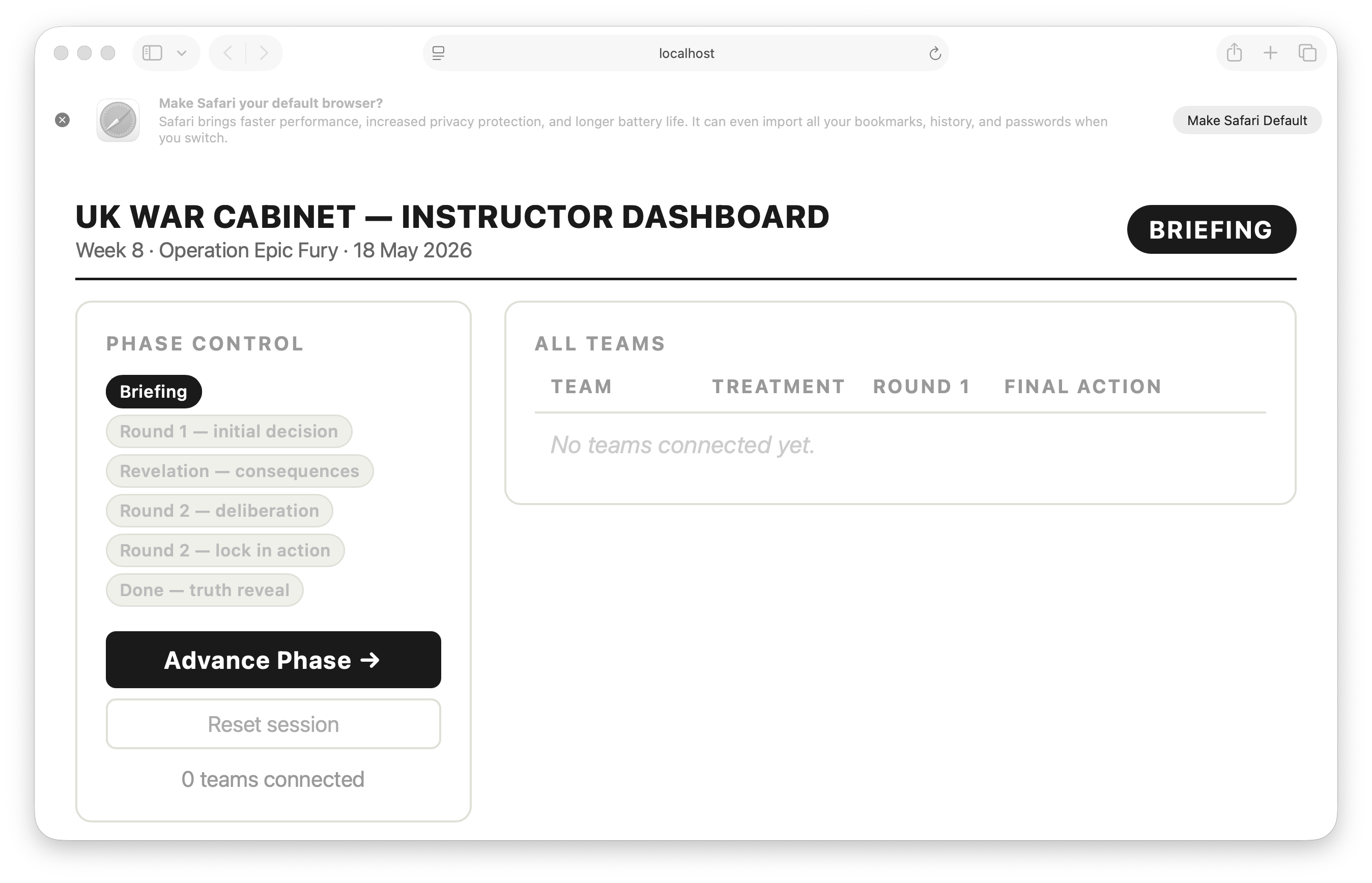
War Cabinet
An in-class political simulation where student teams role-play as the UK War Cabinet responding to a nuclear crisis. Teams receive intelligence packets — some factual, some deliberately biased — then advise an AI Cabinet Secretary on whether to join military operations or pursue diplomacy. The debrief reveals which false claims proved most persuasive, illustrating how AI amplifies whatever intelligence it receives.
GitHub ↗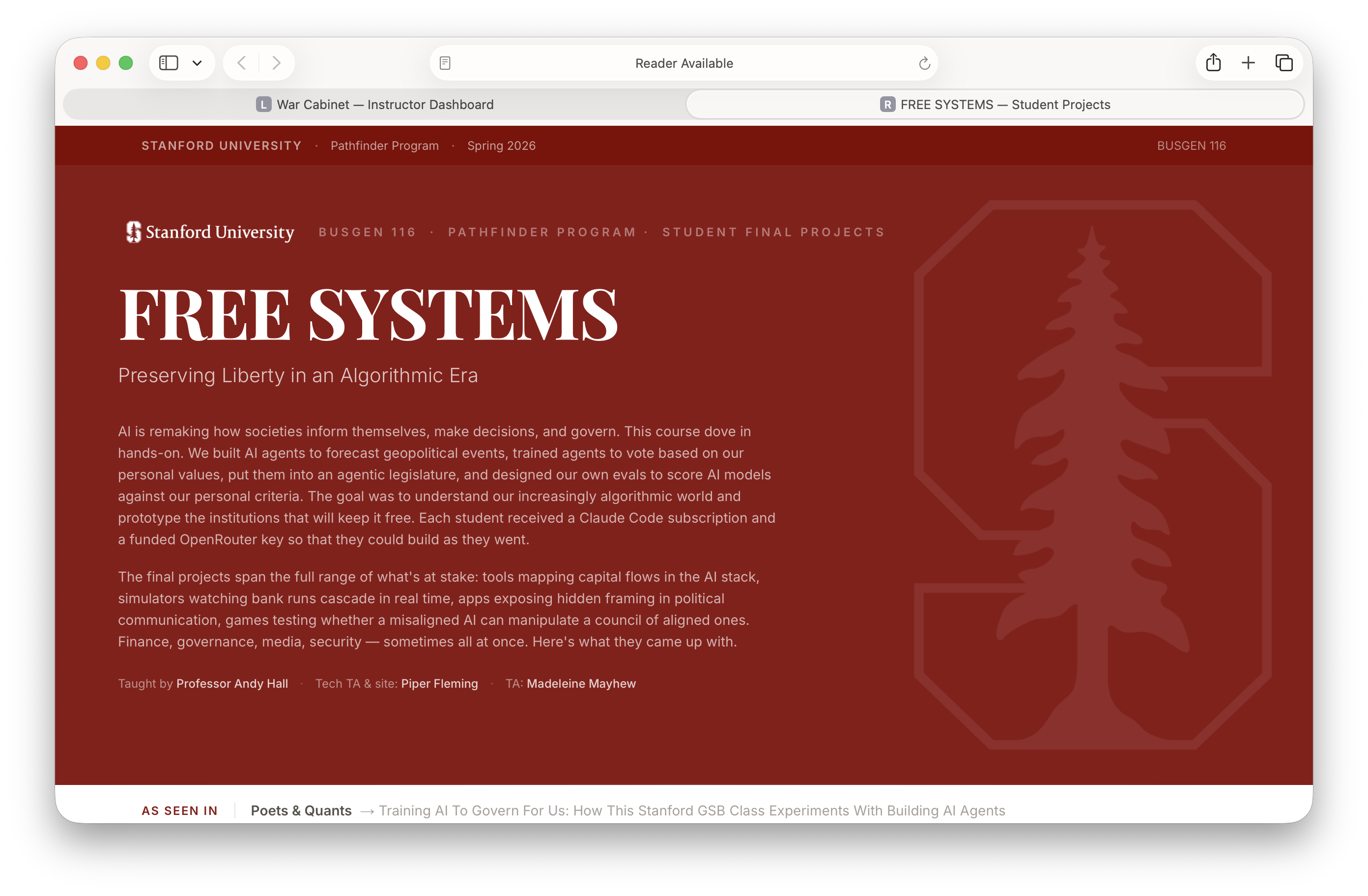
Student Projects
FREE SYSTEMS — Student Project Showcase
16 student teams built and deployed real AI tools exploring democracy, media bias, financial systems, and governance — each equipped with a Claude Code subscription and funded OpenRouter key. Projects ranged from AI constitutions for child safety to live bank run simulators, geopolitical infrastructure maps, and political framing analyzers.
View site ↗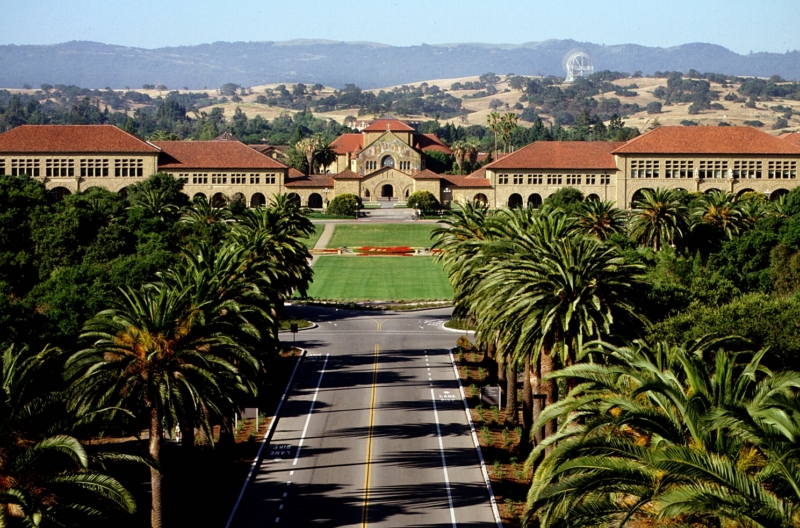
EE 205: Product Management for Engineers in the AI Era
Syllabus in progress — details coming soon.
Building, daily
643 contributions in the last year
School · Personal · Core VC
Experience
Where I've spent
my summers.
Core VC
AI Tech Intern
This work is confidential and can't be shared publicly.
Oracle
Product Management Intern, Java Platform Group (AI Integration)
Prototyped 0→1 AI-powered tools for Oracle's Java Platform Group- integrating AI into developer workflows and cutting team AI-related costs by 40%. Built RAG-enabled agents and GenAI tooling that accelerated internal data collection by 25%. Represented Stanford on the Oracle Student Advisory Group and spoke on Java community panels to 15K+ viewers.
Max Planck Institute for Innovation & Competition
AI, Data, and Economics Intern
Built AI/NLP/ML systems and data pipelines for economic policy research at one of Europe's leading research institutes. Developed a chatbot integrated with a proprietary patent search tool (17% efficiency gain) and a Word2Vec sentiment-analysis pipeline improving accuracy by 40%. Conducted original research linking NYSE/LSE market data to green acquisitions.
Hopkins Marine Station of Stanford University
Computational Ecology Intern
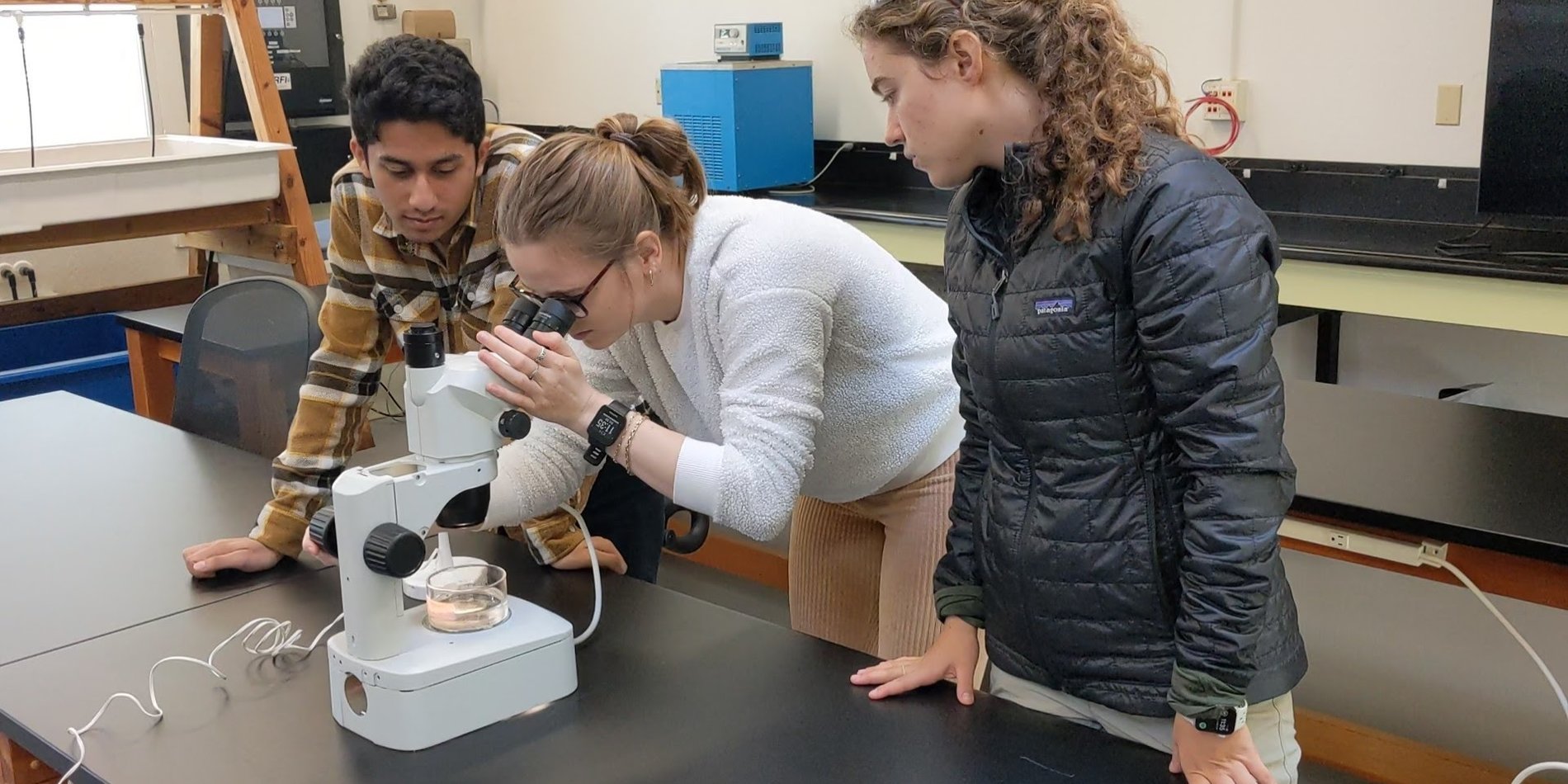
Applied ML and statistical modeling to genomic and ecological datasets at Stanford's marine research station. Built viral-genome BLAST search algorithms increasing hit rates by 34%, and modeled White Shark migration in collaboration with the Monterey Bay Aquarium. Also investigated the safety profile of viral DNA as a sunscreen compound.
Press
Safer Sunscreen: Stanford researchers explore novel approach to sustainable sun protection
An immunologist's lucky accident — bacteriophages surviving UV exposure — sparked a collaboration with a marine ecologist to engineer a biodegradable sunscreen. My sand dollar embryo trials at Hopkins showed the phage-based formula caused no abnormalities, unlike commercial sunscreen.
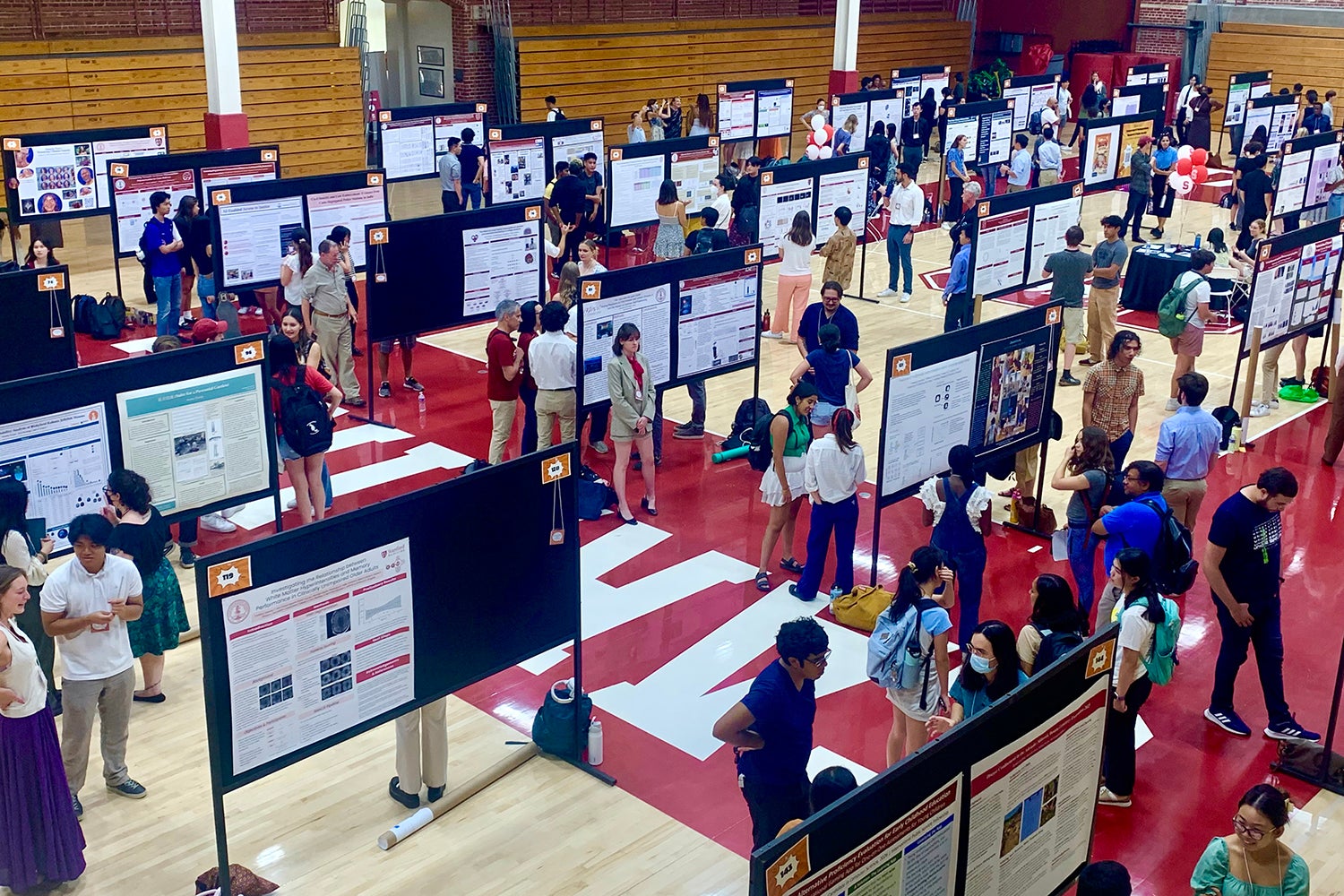
A showcase of undergraduate research
I presented my team's findings at Stanford's annual Symposium of Undergraduate Research and Public Service — phage-based sunscreen left sand dollar embryos unharmed while chemical sunscreen caused significant developmental abnormalities.
Lawrence Berkeley National Laboratory
Materials Science and Engineering Intern
Built supervised learning algorithms and computational visualizations of treated nanoparticles for innovative water filtration research. Reconstructed nanoparticle structures from experimental data using Matlab and Tomviz.
Lindsay Wildlife Experience
Nonprofit Board Member & Youth Program Manager
Volunteered at and later joined the board of a nonprofit wildlife rescue and rehabilitation center. Promoted early to shift lead, managing teams of 3-5 volunteers; served as youth program liaison and helped organize fundraising events.
Contact
Let's talk.
Whether you're thinking about a project, an opportunity, or just want to swap ideas- my inbox is open.
Piper Fleming
Built with Next.js · Stanford, CA